How to Switch 3PL Without Disrupting Your Customers
You've been putting off switching 3PLs because it sounds like the risky move. Here's the staged process that makes it boring, and the exact reasons brands stall that are worth checking against your own excuses.
Your 3PL isn’t failing dramatically. It’s failing quietly. An extra error here, a missed cut-off there, an invoice that’s crept up since you signed.
You know you should move. You haven’t, because switching sounds like the risky part, not staying.
That’s backwards, and it’s worth saying plainly: staying with a 3PL that’s already sliding is the riskier move. The switch is just the one you can actually control.
Why “we can’t afford the downtime” keeps winning
Every founder who’s put off switching has said some version of the same thing. “We can’t afford any downtime.” “Not before peak.” “Not before this launch.” The timeline gets pushed a month, then a quarter, while the errors keep compounding underneath.
The fear isn’t irrational. Orders stopping mid-cutover, stock going missing in transit between warehouses, integrations breaking silently, that’s a real and painful failure mode. It’s also an avoidable one, not an inevitable cost of switching.
There’s a quieter reason brands stall, too: “they’re good people, it’s been better lately.” Sunk cost, plus not wanting the confrontation of sending notice. That feeling is real, but it isn’t evidence the current provider has actually fixed anything. Pull the numbers, refund rate, late dispatch count, support tickets, before deciding whether “better lately” is a genuine trend or just a good week.
What actually makes a migration boring, in the best way
A zero-drama switch isn’t luck. It’s a small number of disciplines, done in order, and you want the outcome to be genuinely uneventful.
Run it in parallel, not as a cutover weekend. Pilot a subset of SKUs or a single region first, alongside the existing provider, before moving everything. A full cutover in one weekend is the highest-risk version of this. A staged move with a working parallel run is the lowest.
Map the data before you move the stock. SKU mapping, integration testing and user acceptance testing against your Shopify (or platform) stack, done and signed off before a single pallet moves. Most “orders stopped syncing” failures are integration failures that were never actually tested pre-launch.
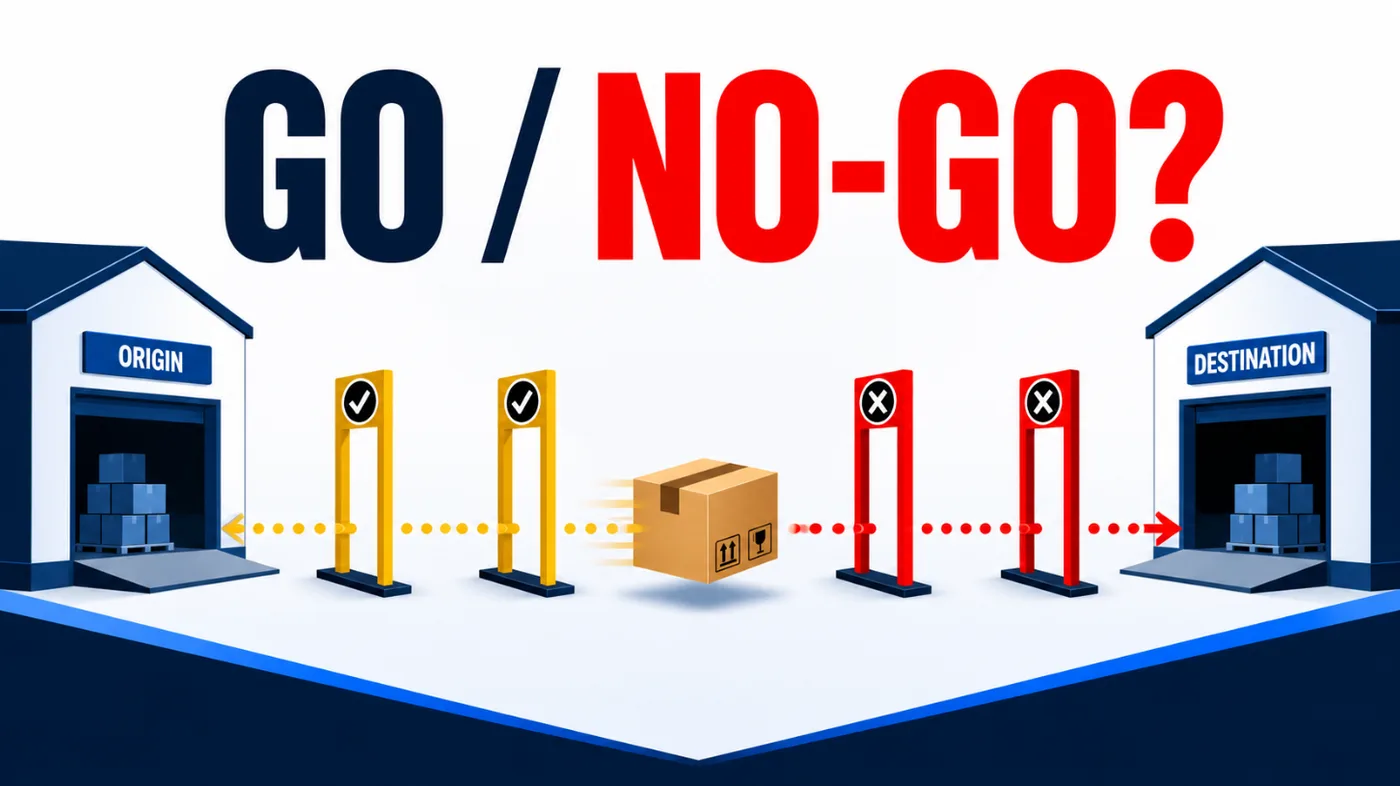
Set explicit go/no-go gates. Define what has to be true before each stage proceeds: accuracy thresholds hit in the pilot, integration tests passed, stock reconciliation clean. If a gate isn’t met, you pause. That’s what turns “hope it goes fine” into a controlled process.
Plan the exit from the old provider as carefully as the entry to the new one. Notice timeline, stock reconciliation, final stock-move logistics, data export. Negotiated properly, this is a project plan. Left to the last minute, it’s the thing that actually causes customer-facing chaos.
Run the search confidentially, if you need to. Some brands need to line up the new partner before their current one finds out, to protect service levels and leverage during the transition. That’s a legitimate, common approach: prepare the requirements, shortlist and target dates before any notice goes out, so the gap between notice and go-live stays short.
Build the comms line for the one thing customers might actually notice. If there’s any risk of a delivery delay during cutover week, decide the comms line in advance rather than improvising it during a live incident.
What “done right” actually looks like
Customers never see any of this. No missed orders, no WISMO spike, no visible gap in service. The only difference they experience is that the fulfilment problems which had been slowly creeping in for months simply stop.
That’s the real bar: not a flawless switch nobody worked hard for, but a well-run one where the difficulty stayed entirely on the operations side of the business, where it belongs.
If building that migration plan alongside a new-partner search sounds like more than you have bandwidth for on top of running the brand, that’s exactly the coordination the SHIPMAX Lead Exchange handles, alongside finding the right-fit partner in the first place.